38 what are the three parts in a nucleotide?
DNA Structure Flashcards | Quizlet nucleotide consists of three parts: a five carbon sugar, a phosphate group, and a nitrogenous base deoxyribose the five carbon sugar in a DNA nucleotide what does the phosphate group consist of? a phosphorus (P) atom bonded to four oxygen (O) atoms nitrogenous base Nucleotide - Genome A nucleotide consists of a sugar molecule (either ribose in RNA or deoxyribose in DNA) attached to a phosphate group and a nitrogen-containing base. The bases used in DNA are adenine (A), cytosine (C), guanine (G) and thymine (T). In RNA, the base uracil (U) takes the place of thymine.
Solved a. The three parts of a nucleotide or nucleic acid - Chegg The three parts of a nucleotide or nucleic acid are the b. The structure of a protein that refers to the order of the amino acids is called the structure. c. mRNA's purpose is to provide the for the order of in a d. Glycerol and fatty acids produce lipids by undergoing a reaction which makes the functional group called an e.
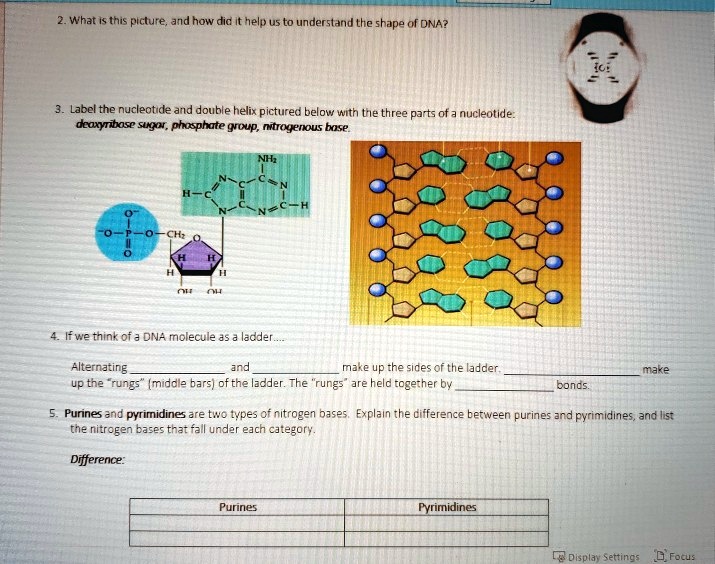
What are the three parts in a nucleotide?
What Are the Three Parts of a Nucleotide? - Science Notes and Projects The three parts of a nucleotide are the base, the sugar, and the phosphate. Nucleotides are the building blocks of DNA (2′-deoxyribonucleic acid) and RNA (ribonucleic acid). DNA and RNA code genetic information, transport energy throughout cells, and serve as cell signaling molecules. Nucleotides: Definition, Component & Structure | StudySmarter The three parts of a nucleotide are: a nitrogenous base, a pentose sugar, and a phosphate group. What is the role of the nucleotide? A nucleotide is a monomer that bonds with other nucleotides to form nucleic acids. Nucleic acids are molecules that contain genetic information and instructions for cellular functions. Nucleotide - Definition, Structure (3 Parts), Examples & Function A nucleotide is made up of three parts: a phosphate group, a 5-carbon sugar, and a nitrogenous base. The four nitrogenous bases in DNA are adenine, cytosine, guanine, and thymine. RNA contains uracil, instead of thymine. A nucleotide within a chain makes up the genetic material of all known living things.
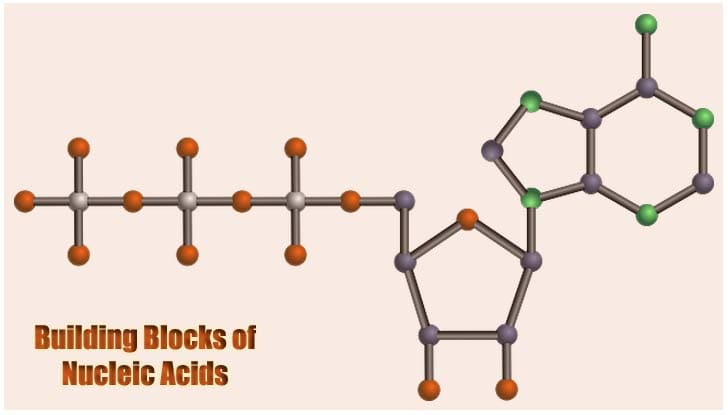
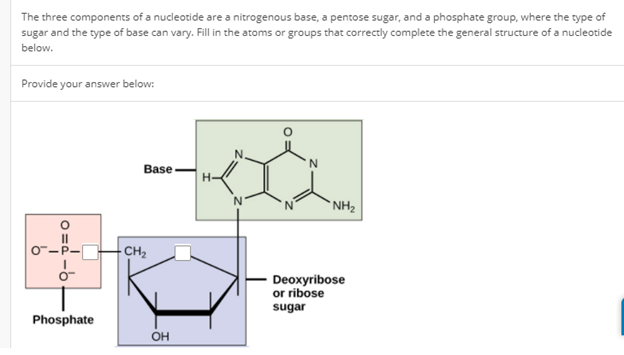
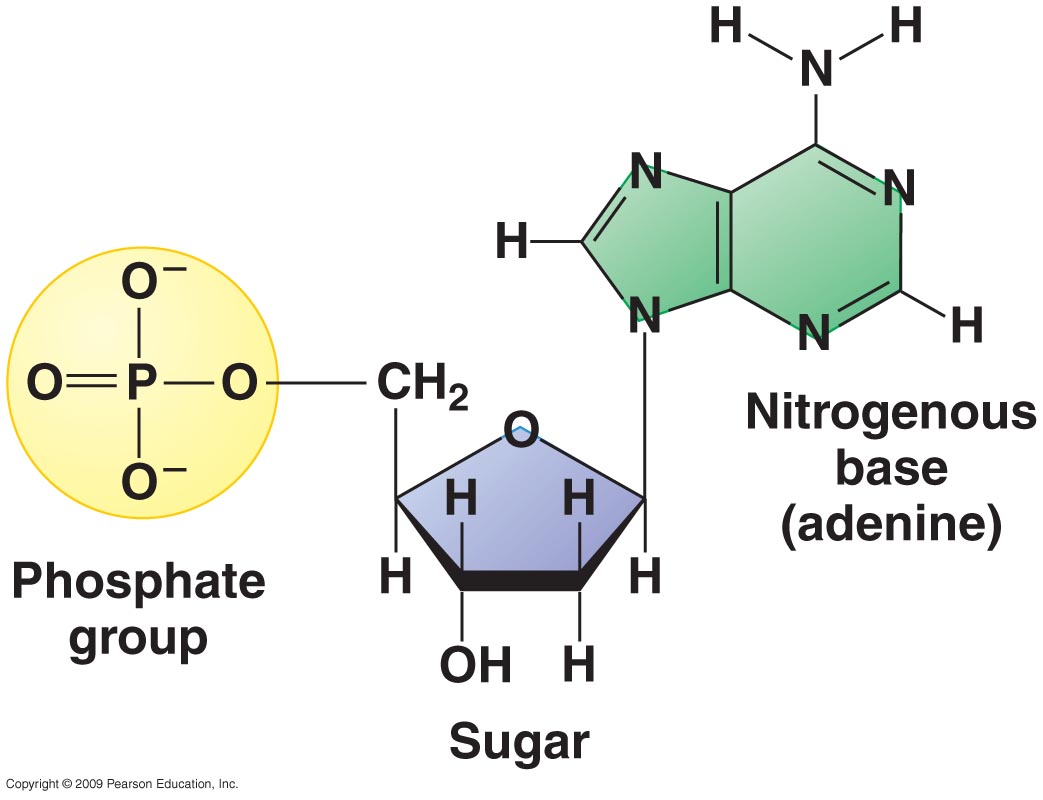
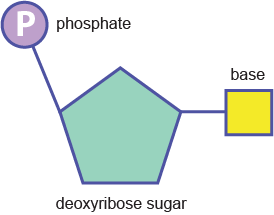
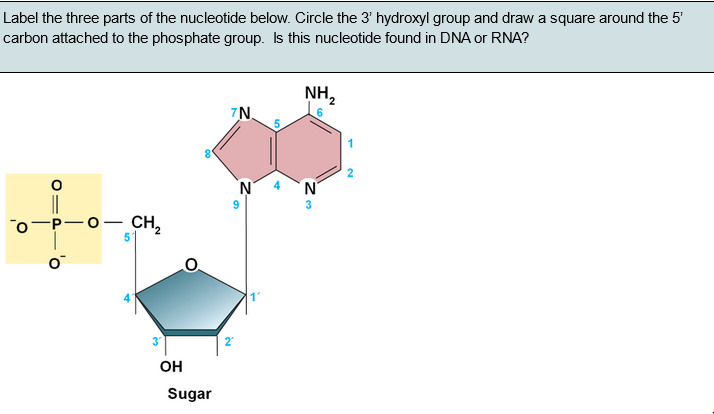
What are the three parts in a nucleotide?. What are the Three Main Parts of a Nucleotide? - BYJU'S Three Parts of Nucleotide Sugar The sugar component of the nucleotides is a five-carbon sugar. Deoxyribose or 2-deoxyribose is the five-carbon sugar that is found in DNA, whereas ribose is found in RNA. The primary difference between the two sugars is the replacement of hydroxyl group by hydrogen at the 2' position in deoxyribose. 9.1 The Structure of DNA - Concepts of Biology | OpenStax Now let's consider the structure of the two types of nucleic acids, deoxyribonucleic acid (DNA) and ribonucleic acid (RNA). The building blocks of DNA are nucleotides, which are made up of three parts: a deoxyribose (5-carbon sugar), a phosphate group, and a nitrogenous base ( Figure 9.3 ). There are four types of nitrogenous bases in DNA. 3 Parts of a Nucleotide and How They Are Connected - ThoughtCo Both deoxyribonucleic acid (DNA) and ribonucleic acid (RNA) are made up of nucleotides which consist of three parts: Nitrogenous Base Purines and pyrimidines are the two categories of nitrogenous bases. Adenine and guanine are purines. Cytosine, thymine, and uracil are pyrimidines. What are the three parts of a nucleotide? | Socratic THREE parts include nitrogen containing base, sugar backbone and phosphate group figure shows adenine structure. nucleotide shown in the figure is divided into nitrogen containing base, sugar backbone and phosphate group
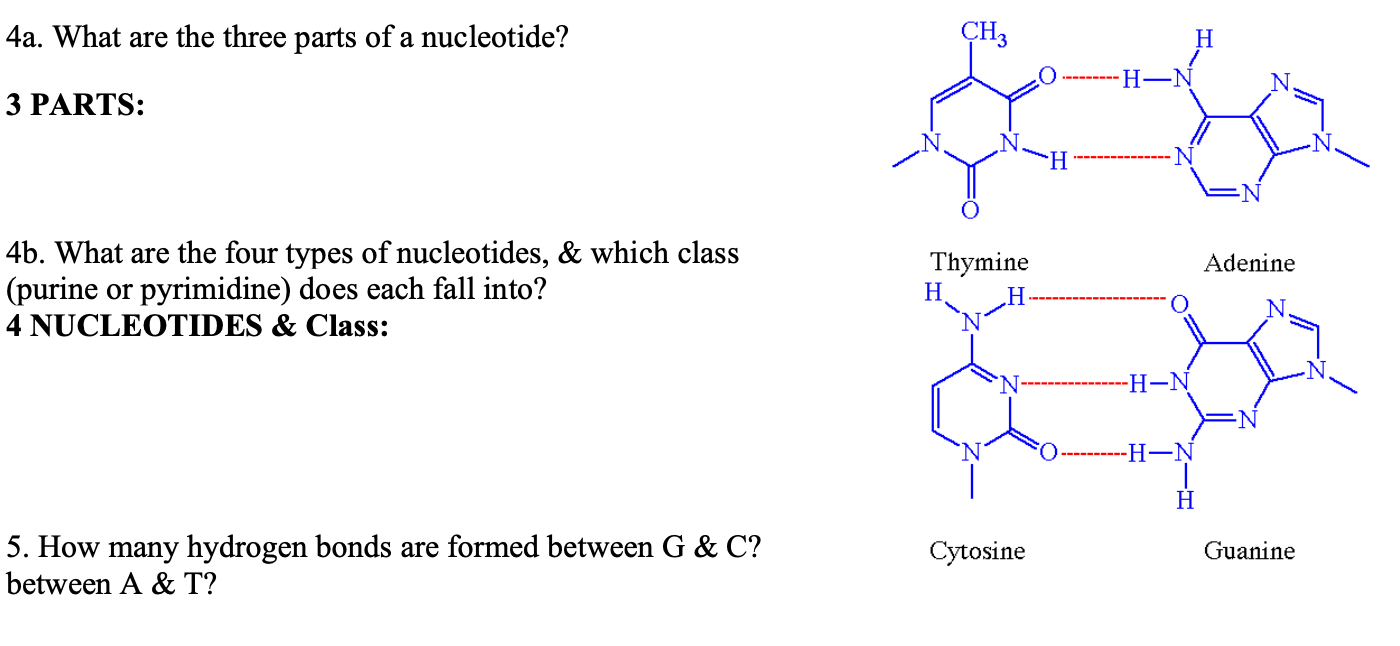
16.6: Nucleic Acids- Parts, Structure, and Function Adenine and guanine are the major purines found in nucleic acids (Figure 16.6. 1 ). Figure 16.6. 1 The Nntrogenous bases found in DNA and RNA. The formation of a bond between C1′ of the pentose sugar and N1 of the pyrimidine base or N9 of the purine base joins the pentose sugar to the nitrogenous base. In the formation of this bond, a ... Lab 9 Worksheet 1 .pdf - Name: LAB 9: DNA & Cell Processes... - Course Hero Which of the 3 parts of a nucleotide helps determine the code (or sequence) of a gene? Pentose sugar, nitrogenous base, and phosphate group are the three components that make up a nucleotide. The monomeric component of polynucleotides like RNA and DNA is called a nucleotide. With guanine, cytosine and thymine create a base pair. What are the Three Parts of a Nucleotide? | Albert.io Nucleotides are made up of 3 parts. The first is a distinct nitrogenous base, which is adenine, cytosine, guanine or thymine. In RNA, thymine is replaced by uracil. These nitrogenous bases are either purines or pyrimidines. Base pairs are formed when adenine forms a hydrogen bond with thymine, or cytosine forms a hydrogen bond with guanine. What are the Three Parts of a Nucleotide? | Free Expert Q Answer - The three parts of a nucleotide are a nitrogenous base, a pentose sugar and a phosphate group. Explanation: Nucleotides are organic molecules that act as the building blocks of both DNA and RNA. These molecules have three components - a nitrogenous base, a pentose sugar and a phosphate group.
What Are The Three Parts Of A Nucleotide | Jacks Of Science Each nucleotide is composed of three parts: a sugar, a phosphate, and a nitrogen-containing base. The sugar molecule can be either ribose or deoxyribose, and the phosphate group is bonded to the sugar via a phosphodiester bond. The nitrogen-containing base is attached to the sugar via a nitrogenous base pair. What is a phosphate group? DNA function & structure (with diagram) (article) | Khan Academy A nucleotide contains adenine T nucleotide contains thymine G nucleotide contains guanine C nucleotide contains cytosine All four of these nucleobases are relatively complex molecules, with the unifying feature that they all tend to have multiple nitrogen atoms in their structures. Nucleic acids (article) | Khan Academy Each nucleotide is made up of three parts: a nitrogen-containing ring structure called a nitrogenous base, a five-carbon sugar, and at least one phosphate group. The sugar molecule has a central position in the nucleotide, with the base attached to one of its carbons and the phosphate group (or groups) attached to another. Nucleotide - Wikipedia A nucleotide is composed of three distinctive chemical sub-units: a five-carbon sugar molecule, a nucleobase (the two of which together are called a nucleoside), and one phosphate group.With all three joined, a nucleotide is also termed a "nucleoside monophosphate", "nucleoside diphosphate" or "nucleoside triphosphate", depending on how many phosphates make up the phosphate group.
SOLVED: What this picture; and how dia It helpv us to ...
What are the three parts of a nucleotide? Flashcards | Quizlet What are the three parts of a nucleotide? Phospate, sugur, nitrogen base Nucleotide basic unit surgery in DNA deoxylibonuelic hydrogen bonds hold DNA together covalent bond is sharing of electrons ionic is the attraction between 2 ions 4 nitrogen bases cytosine, thymine, adenine, guanine DNA is a polymer
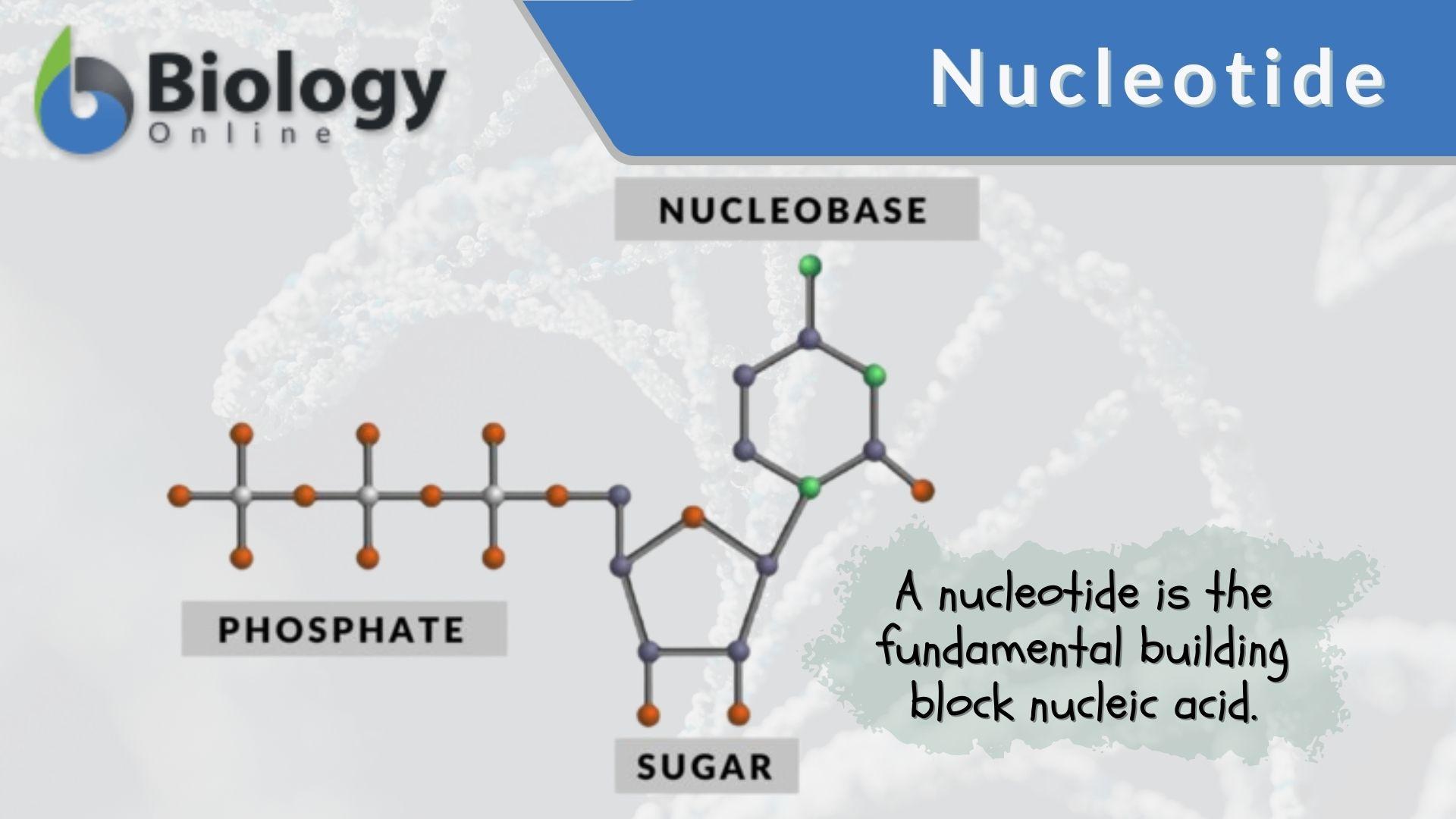
Nucleotide Definition and Examples - Biology Online Dictionary
Nucleotide | biochemistry | Britannica nucleotide, any member of a class of organic compounds in which the molecular structure comprises a nitrogen-containing unit (base) linked to a sugar and a phosphate group. The nucleotides are of great importance to living organisms, as they are the building blocks of nucleic acids, the substances that control all hereditary characteristics. A brief treatment of nucleotides follows. For full ...
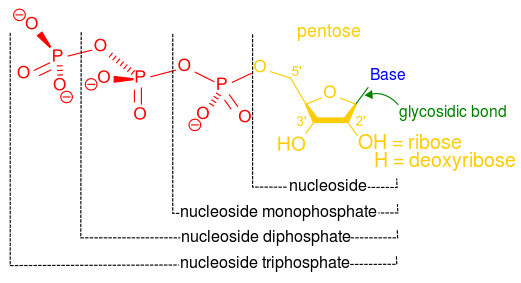
What are the Three Parts of a Nucleotide? | Albert.io
Nucleotide - Definition, Structure (3 Parts), Examples & Function A nucleotide is made up of three parts: a phosphate group, a 5-carbon sugar, and a nitrogenous base. The four nitrogenous bases in DNA are adenine, cytosine, guanine, and thymine. RNA contains uracil, instead of thymine. A nucleotide within a chain makes up the genetic material of all known living things.
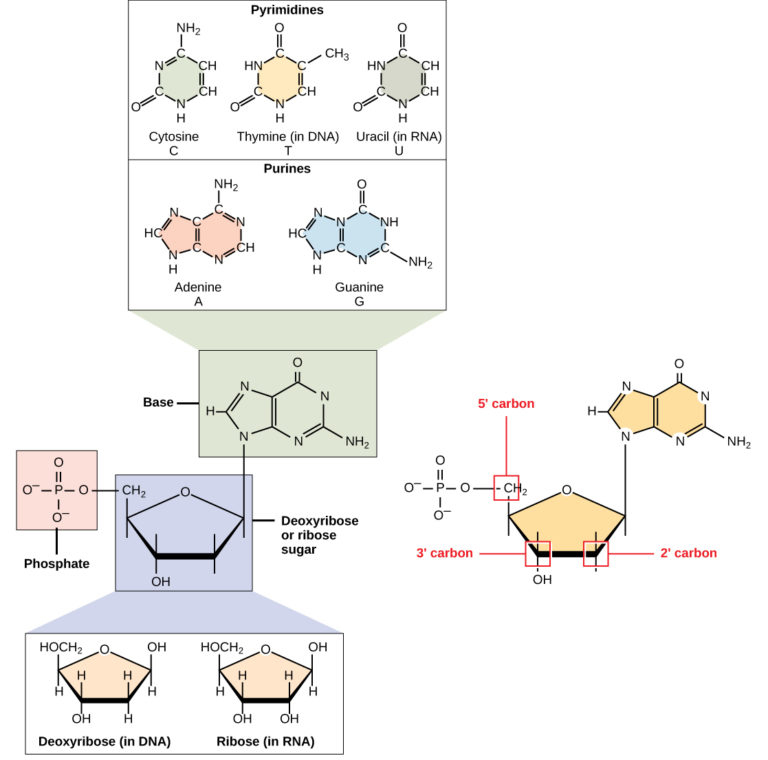
Structure of Nucleic Acids | Biology for Majors I
Nucleotides: Definition, Component & Structure | StudySmarter The three parts of a nucleotide are: a nitrogenous base, a pentose sugar, and a phosphate group. What is the role of the nucleotide? A nucleotide is a monomer that bonds with other nucleotides to form nucleic acids. Nucleic acids are molecules that contain genetic information and instructions for cellular functions.
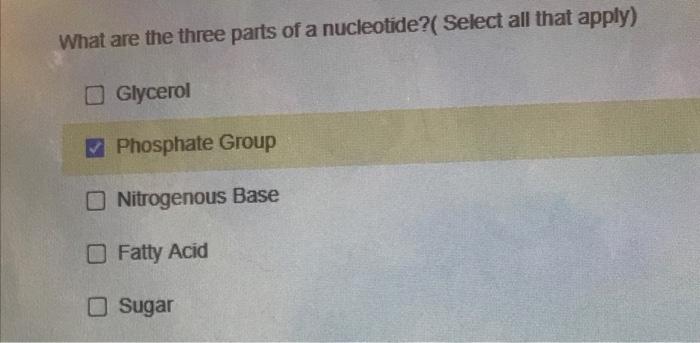
Solved What are the three parts of a nucleotide?( Select all ...
What Are the Three Parts of a Nucleotide? - Science Notes and Projects The three parts of a nucleotide are the base, the sugar, and the phosphate. Nucleotides are the building blocks of DNA (2′-deoxyribonucleic acid) and RNA (ribonucleic acid). DNA and RNA code genetic information, transport energy throughout cells, and serve as cell signaling molecules.

Which among the following are the components of nucleotides?
.jpg)
What three components make up a nucleotide? - eNotes.com
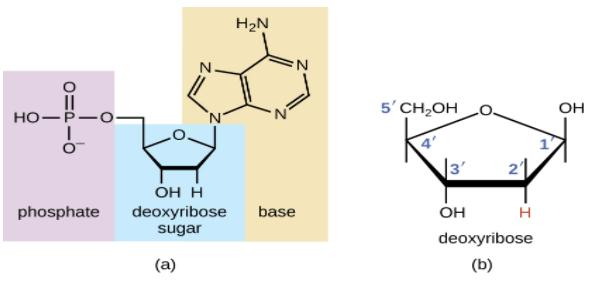
What are the three parts of a nucleotide?
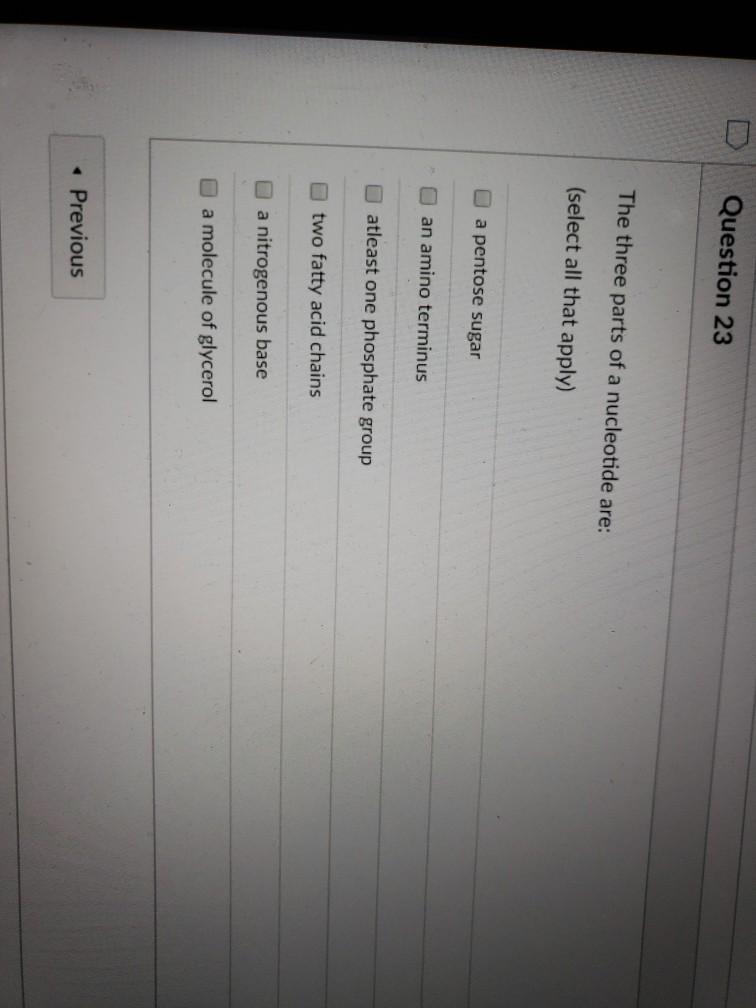
Solved Question 23 The three parts of a nucleotide are ...
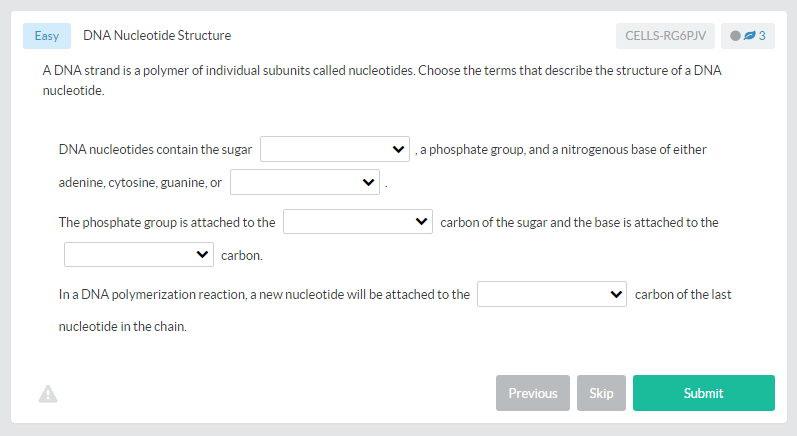
What are the Three Parts of a Nucleotide? | Albert.io
Building Blocks of Nucleic Acids | Structures & Functions
:max_bytes(150000):strip_icc()/purine-and-pyrimidine-nitrogenous-bases---skeletal-chemical-formulas-475632152-d34de0fec4e14f108a3e32901a1386c8.jpg)
3 Parts of a Nucleotide and How They Are Connected

DNA vs. RNA – 5 Key Differences and Comparison | Technology ...

List the three components that comprise a nucleotide and how ...
Solved The three components of a nucleotide are a | Chegg.com
What are the three parts of a nucleotide? | Socratic

Diagram of a nucleotide | Download Scientific Diagram
Solved 4a. What are the three parts of a nucleotide? CH3 H ...

Nucleotide worksheet
What Are The Three Parts Of A Nucleotide | Jacks Of Science
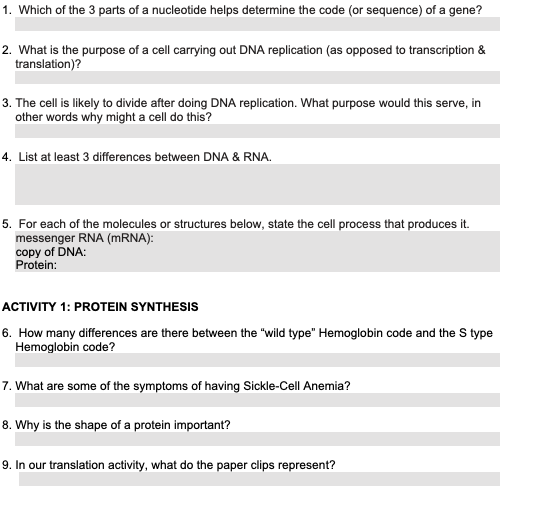
Solved 1. Which of the 3 parts of a nucleotide helps | Chegg.com
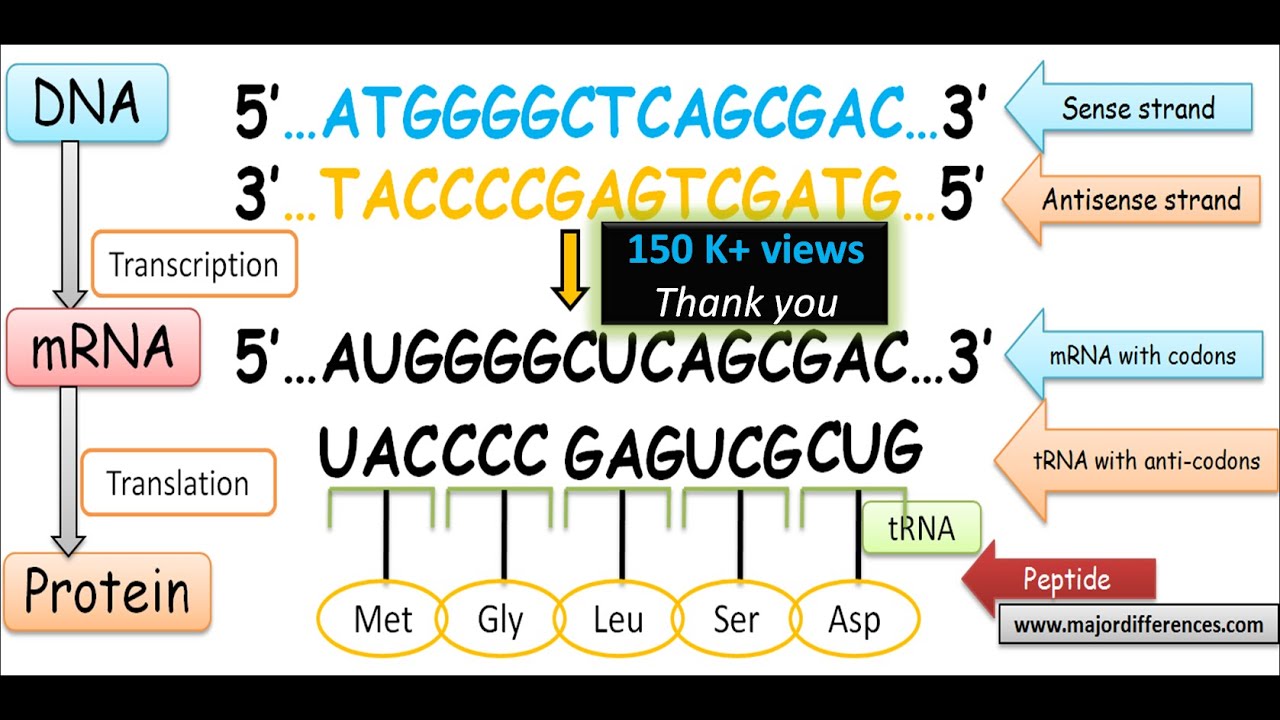
What are the 3 components of DNA nucleotide? - YouTube
What Are The Three Parts Of A Nucleotide | Jacks Of Science
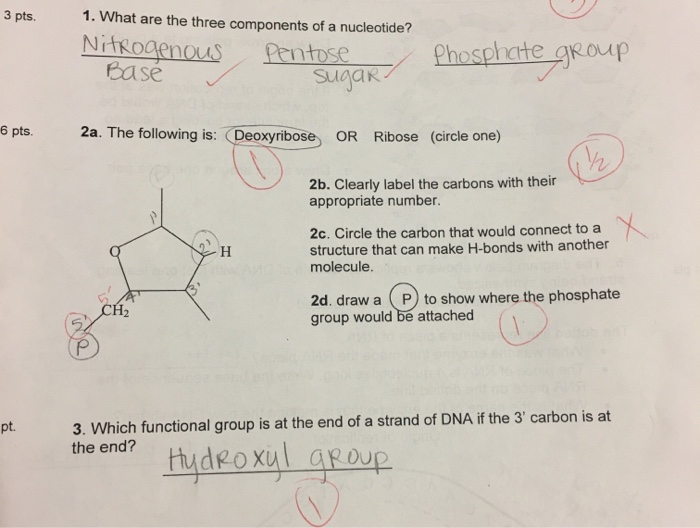
Solved 1. What are the three components of a nucleotide? 3 ...

TOPIC 6: DNA and its processes 1. Label the three parts of a

What are the three components of a single nucleotide? - Quora
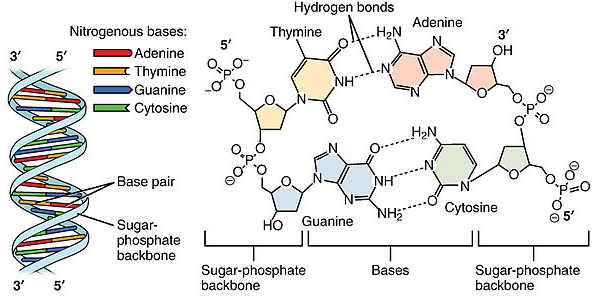
What are the Three Parts of a Nucleotide? | Albert.io
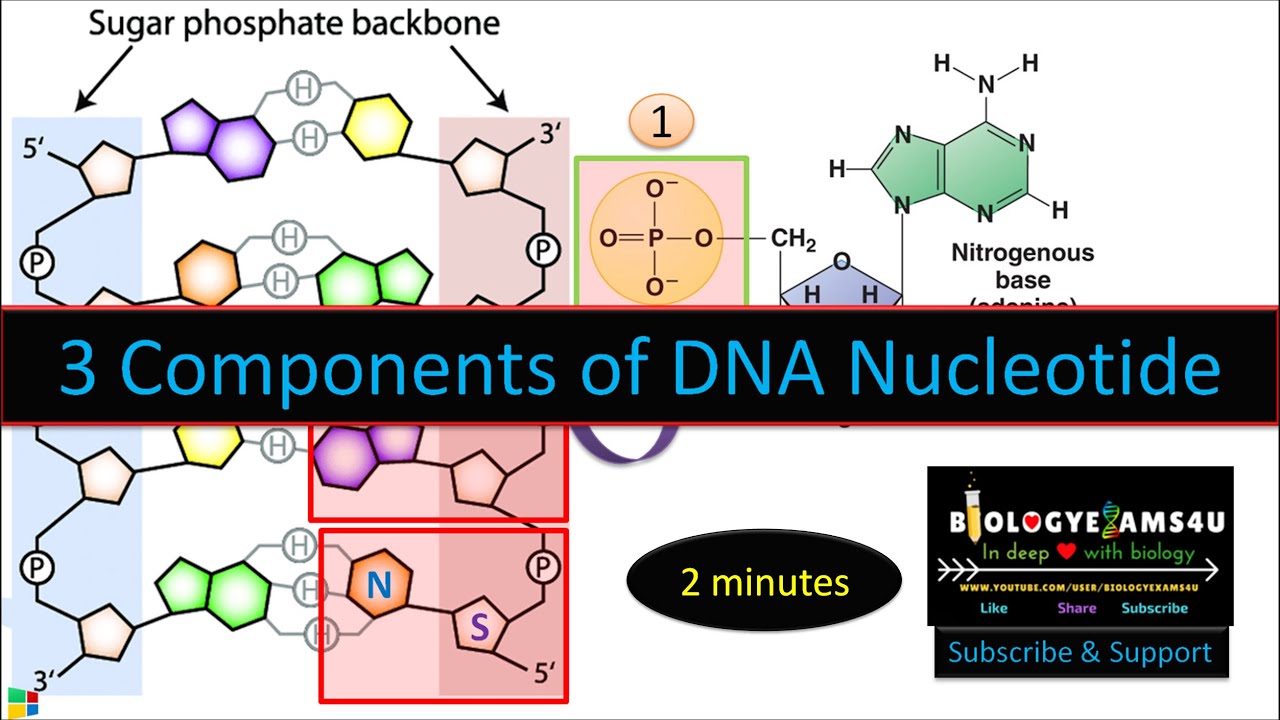
What are the 3 components of DNA nucleotide?

Bio - DNA Structure and Replication Diagram | Quizlet
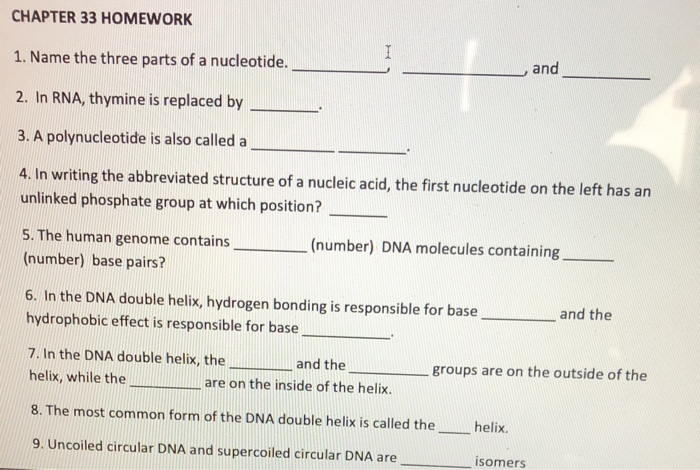
Solved CHAPTER 33 HOMEWORK 1. Name the three parts of a ...
What are the Three Parts of a Nucleotide? | Albert.io
What are the three components of a single nucleotide? - Quora

What are the three parts of RNA Nucleotide? Which are the bonds in RNA Nucleotide?

POGIL DNA Structure & Replication (2)
What is the smallest unit of DNA? | Socratic

What Are the Three Parts of a Nucleotide?
![Solved Question 2 [3 marks]: As mentioned above, each | Chegg.com](https://media.cheggcdn.com/media/232/23252d7f-6449-44ca-bd85-b584d9c56540/php92BcUD.png)
Solved Question 2 [3 marks]: As mentioned above, each | Chegg.com
Solved Label the three parts of the nucleotide below. Circle ...

Post a Comment for "38 what are the three parts in a nucleotide?"